

SAAS DEVELOPMENT

Build a SaaS product ready for your first real customer, not just your first demo

A product that works well in a sales demo can fall apart under the conditions that real customers bring — their data volume, their edge cases, their integration requirements, and their expectation that something that costs a monthly subscription will be available at 2am. Building for demo and building for production are different disciplines.

We build SaaS products from a production-first mindset: multi-tenancy designed in from the start, billing and subscription logic treated as core infrastructure rather than an afterthought, and the operational tooling your team needs to support customers built alongside the product they use.

The hardest part of building a SaaS product is not the features — it is the plumbing that makes it reliable, scalable, and commercially viable once the first invoice is sent.

What's happening in SaaS Development

0 %
of SaaS businesses that exceed $10M ARR cite product-market fit validation before scaling as a critical factor — premature feature development is the primary cause of failure below that threshold
0 %
of SaaS churn in the first year is attributable to onboarding problems — customers who do not reach their first value moment within a defined window rarely recover
0 x
higher lifetime value for enterprise SaaS customers compared to SMB customers in the same product — tier architecture and packaging decisions have a significant long-term revenue impact
0 %
of SaaS products are rebuilt within three years of launch because the original architecture was not designed for multi-tenant scale — a costly consequence of optimising for the demo

What we offer

MVP DEVELOPMENT

The minimum product that validates the core assumption with a real customer

An MVP is not a small version of the full product — it is the specific set of functionality that validates whether the core value proposition is real. We help define the right scope for validation, build it to production quality, and instrument it so you learn from the first users who pay real money.

BILLING & SUBSCRIPTION INFRASTRUCTURE

Revenue logic built as core infrastructure, not a payment gateway bolted on at launch

SaaS billing is complex: trial management, plan upgrades and downgrades, proration, usage-based pricing, invoice generation, tax handling, and dunning. We build billing infrastructure that handles these cases correctly from the start, integrated with your plan architecture and reporting needs.

ADMIN & OPERATIONS TOOLING

The internal tools your team needs to support customers and operate the product

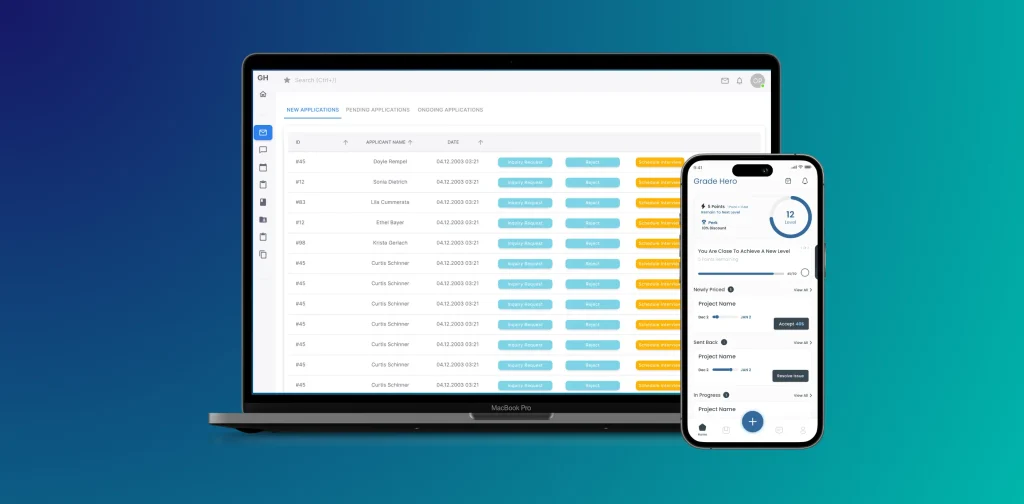
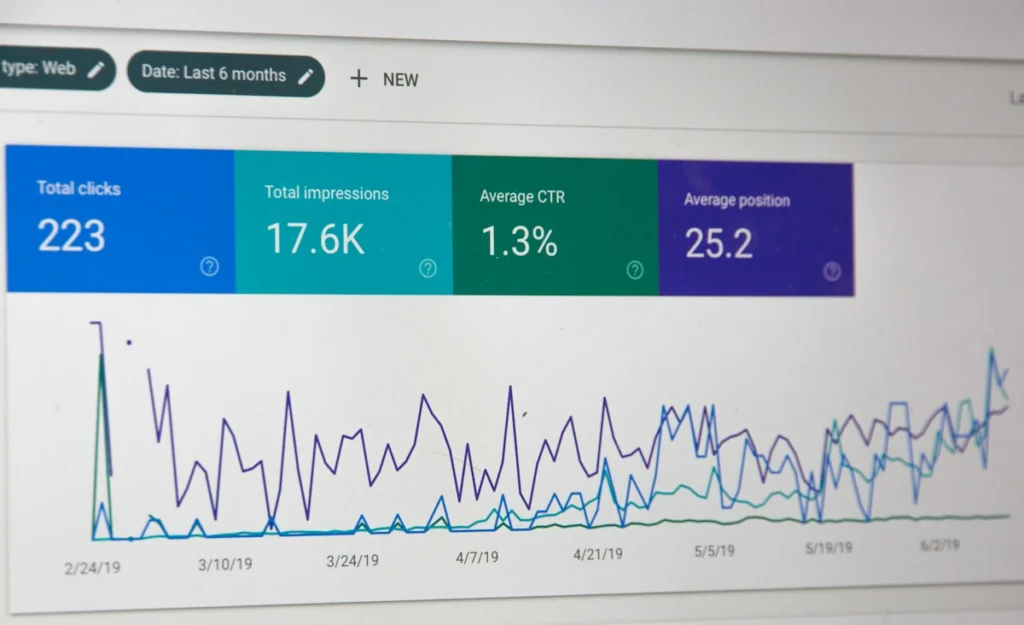
A SaaS product that your team cannot observe, debug, and manage is a product that will consume disproportionate support time as it scales. We build admin interfaces, customer health dashboards, and operational tooling alongside the customer-facing product — because the team supporting it deserves the same investment.

MULTI-TENANT ARCHITECTURE

Data isolation, access control, and performance that holds as customer count grows

Multi-tenancy is an architectural decision that is expensive to retrofit. We design tenant isolation, data partitioning, and configuration models from the start — so adding a new customer is an operational event, not a development project.

ONBOARDING & ACTIVATION FLOWS

Get customers to their first value moment before they decide whether to stay

The period between account creation and first meaningful use is where most SaaS churn originates. We design onboarding flows that guide new customers to activation quickly, instrument the funnel to identify where drop-off occurs, and build the tooling your customer success team needs to intervene when a customer is at risk.

THE WEBIZONA DIFFERENCE

Why choose Webizona as your Saas Development company?

Production-first from day one

Multi-tenancy, security, billing integration, and operational observability designed into the architecture from the start — not added when the first enterprise customer requires them.

Validation before scale

We build MVPs to production quality for a defined user set before recommending scale investment. The cost of building the wrong thing at scale is a multiple of building the right thing incrementally.

Commercial model considered

Plan architecture, pricing tier logic, trial conversion flows, and expansion revenue mechanisms are treated as product decisions with revenue consequences — not configuration after the build is complete.

Benefits

Common Questions

An MVP is the minimum set of functionality that lets a real customer pay real money and get real value. It is not a prototype, not a demo, and not a stripped-down version of the full product. The right scope is defined by the core hypothesis you need to validate — usually one specific job the customer is trying to do. We help define this boundary before scoping the build.
Before you write the first line of production code. Retrofitting multi-tenancy into an existing single-tenant architecture is one of the most expensive technical decisions a SaaS business makes. It typically requires rewriting the data model, access control layer, and configuration system simultaneously. The cost of designing it in from the start is small compared to the cost of adding it under customer pressure.
We integrate with Stripe Billing in most cases, building the subscription management logic, webhook handlers, and dunning flows as part of the core product — not as a final step. We design your plan tiers and pricing model during product architecture so billing logic matches your commercial model accurately from launch.
Yes. An internal admin interface, customer health dashboard, and support tooling are part of every SaaS engagement we scope. A product your support team cannot observe or manage will cost more in support time than the admin build would have.
Yes. We conduct a technical assessment first — architecture, codebase quality, test coverage, deployment setup, and operational observability. We give you an honest view of what we are inheriting and what we would prioritise fixing before adding features. If the codebase has problems that will cost more to work around than to fix, we say so.

Whats happening in SaaS Development