



Webizona
    Logistics software development — Webizona

    In short

    • Logistics software development built around how your teams actually work
    • TMS, WMS and carrier data unified for live shipment visibility
    • Event-driven status, dispatch and customer notifications

    LOGISTICS

    A shipment isn't late because a truck was slow. It's late because five systems disagreed about where it was

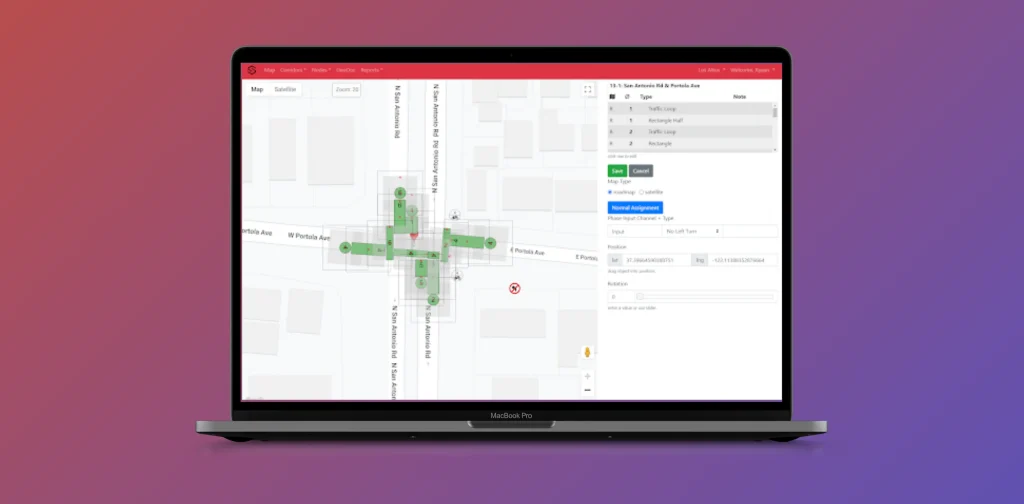
    TMS, WMS, and carrier platforms each hold a piece of the truth about a shipment's status, and the gaps between them are exactly where delays go unnoticed until a customer asks where their order is.

    We unify transportation, warehouse, and carrier data into a single visibility layer and build routing optimization on your own network data — cutting delivery costs without ripping out the systems your dispatch team already knows how to run.

    The networks improving on-time delivery aren't adding trucks. They're closing the gap between what happened and what the system says happened.

    What's happening in Logistics

    $ 0 T

    Projected global logistics market size by 2030

    0 %

    Of operators cite disconnected systems as their top visibility barrier

    $ 0 B+

    Annual cost of shipment delays and routing inefficiencies industry-wide

    0 %

    Of shippers expect real-time tracking across the full supply chain

    Address Logistics challenges

    FRAGMENTED VISIBILITY

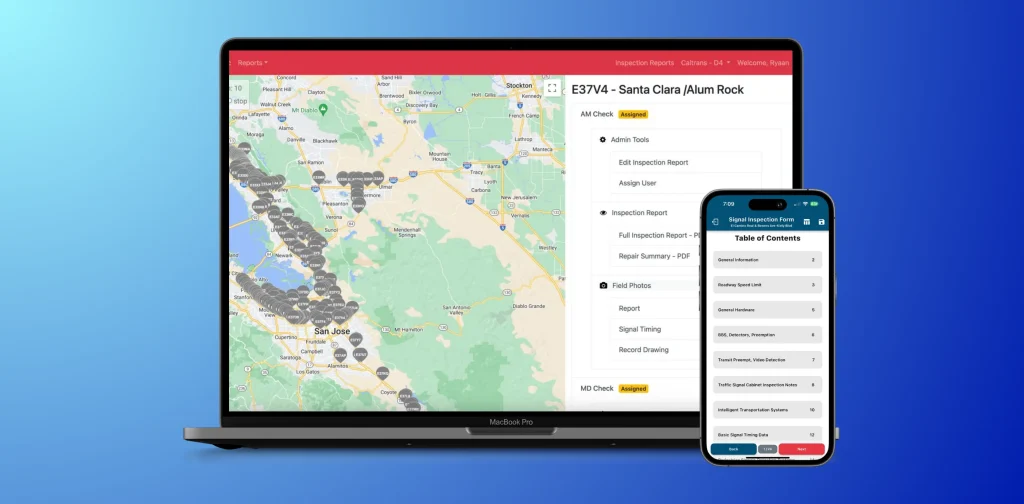
    Track shipments across every carrier and mode in real time

    Connect TMS, WMS, and carrier systems into a single data layer, so shipment status is visible everywhere it needs to be.

    Logistics software development — Webizona

    LEGACY TMS & WMS INFRASTRUCTURE

    Modernize without disrupting fulfillment operations

    Migrate aging transportation and warehouse systems to modern architecture with zero disruption to daily operations.

    ROUTE & CAPACITY OPTIMIZATION

    Cut delivery times and costs with smarter routing

    Optimization models trained on your own network data, improving routing and capacity utilization beyond generic tools.

    MANUAL FULFILLMENT WORKFLOWS

    Automate manual dispatch and warehouse processes

    Custom workflow tools that eliminate manual dispatch sheets and paperwork, speeding up fulfillment operations.

    CUSTOMER TRACKING EXPECTATIONS

    Give customers the real-time visibility they expect

    Custom customer-facing tracking portals with real-time status, built around your brand and carrier network.

    Logistics software development — Webizona

    DATA SECURITY EXPOSURE

    Protect shipment and customer data across the network

    Enterprise-grade security frameworks that protect sensitive shipment and customer data from breach.

    Who logistics software development is for

    Logistics software development is the right fit when visibility across shipments, partners and exceptions is the problem.

    Not sure it fits? Ask us →
    • Operations and technology leaders

      Core systems are the constraint on growth.

    • Founders and managing partners

      Decisions depend on technology you do not fully control.

    • Heads of digital or transformation

      Programmes stall between strategy and delivery.

    • Compliance and risk owners

      Regulation and audit demands keep rising.

    THE WEBIZONA DIFFERENCE

    Why choose Webizona for logistics software development?

    Logistics operations expertise

    We understand TMS, WMS, and carrier network requirements before the first line of code is written.

    Built around fulfillment reality

    Solutions designed around how dispatch and warehouse teams actually work, not how legacy systems assume they do.

    Vendor-neutral integration

    No proprietary lock-in. We integrate with your existing TMS, WMS, and carrier platforms — and hand you the keys when we're done.

    Standards and references we work to

    Benefits

    Logistics software development — Webizona

    Common Questions

    Yes. We integrate with major TMS and WMS platforms via native APIs and EDI, plus custom middleware where needed.

    A single-system integration typically takes 6–10 weeks. A full network-wide unification runs 3–6 months, delivered in phases.

    Yes. We collaborate directly with your teams and document everything so your organization owns the system after we’re done.

    Yes. We build optimization models trained on your own network and volume data, not generic industry benchmarks.

    Three ways: a fixed price for a defined scope, a monthly dedicated team you can scale, or an advisory retainer. Every engagement starts with a short discovery so the estimate is based on your systems and constraints, not a template.

    How we work together

    1. Fixed-scope project

      A defined outcome, fixed price and timeline, with weekly demos. The usual starting point for a first logistics software development engagement with a clear deliverable.

    2. Dedicated team (monthly)

      A named squad working inside your tools and rituals, scaled up or down each month. Best when logistics software development is an ongoing programme rather than a one-off.

    3. Advisory and fractional leadership

      Senior review, roadmap and vendor oversight without a full build. Best when you already have a team and need direction on logistics software development.

    Not sure which fits? Tell us about the project →

    Whats happening in Logistics