

Webizona
    Intelligent process automation — Webizona

    In short

    • Intelligent process automation: automate the processes a simple rule can't handle
    • Document and data extraction that handles real-world formatting inconsistency
    • Decision models trained on how your team actually resolves cases

    INTELLIGENT PROCESS AUTOMATION

    Automate the processes a simple rule can't handle

    Workflow automation handles the steps that follow a predictable rule: if this happens, do that. Most business processes are not that clean. They involve a document that does not match the expected format, a case that falls outside the standard criteria, or a decision that depends on judgment an experienced person has built up over years rather than a rule anyone wrote down.

    Intelligent process automation extends automation into that territory: extracting data from documents that vary in format, modelling the decisions your team makes on routine cases, and handling the exceptions that a rules engine would simply reject. It is not a replacement for workflow automation, it is what makes automation viable for the processes workflow automation alone cannot reach.

    We build automation that knows what it does not know. Every automated decision carries a confidence score, cases below the threshold go to a person with the context already prepared, and the model improves as more real cases accumulate. The result is automation that expands its own scope safely over time, rather than automation that is either fully trusted or not trusted at all.

    What we offer

    PROCESS DISCOVERY & OPPORTUNITY MAPPING

    Identify which processes are worth automating and in what order

    Not every manual process is worth automating, and automating the wrong one first burns credibility for the programme before it proves value. We assess processes by transaction volume, document complexity and current error rate, prioritising the ones where automation removes the most manual effort per unit of build cost, rather than automating whichever process happens to be easiest to demo.
    Webizona consultants planning a client engagement around a laptop

    DOCUMENT & DATA EXTRACTION

    Extract structured data from documents that don't follow a consistent format

    Invoices, claims forms and correspondence rarely arrive in a consistent format, and template-based extraction breaks the moment a vendor changes their layout. We build extraction that handles format variation directly, combining layout-aware models with validation rules so the data feeding your automation is accurate before it reaches a decision step, not after.

    DOCUMENT & DATA EXTRACTION

    Model the judgment calls your team makes so routine decisions do not require manual review

    Most process exceptions aren’t random, they follow patterns an experienced operator recognises without being able to fully articulate as a rule. We model those patterns from historical decisions and documented judgment criteria, so the automation makes the same call a person would on routine cases and only escalates the ones a person genuinely needs to see.

    EXCEPTION HANDLING & ESCALATION

    Route only genuinely uncertain cases to your team, with full context already prepared

    Automation that guesses on uncertain cases erodes trust faster than automation that asks for help. We build confidence scoring into every automated decision, and when a case falls below the threshold, it reaches your team with the extracted data, relevant history and a summary of why the system was not confident, so review takes minutes, not a fresh investigation.

    SYSTEM & WORKFLOW INTEGRATION

    Connect intelligent automation into the systems and workflows you already run

    Intelligent process automation that lives outside your existing systems becomes another interface for your team to check. We integrate automated decisions and extracted data directly into the case management, CRM or workflow systems you already use, so the automation shows up inside the tools people are already working in, not as a separate dashboard.
    Webizona engineer working through a software build on screen

    MONITORING & MODEL MAINTENANCE

    Keep decision accuracy high as process volume and inputs evolve over time

    A decision model that was accurate at launch degrades as the processes it automates change: new document types appear, volume shifts, edge cases accumulate. We monitor decision accuracy in production, flag drift before it produces a run of wrong calls, and retrain the model on schedule or when performance indicates it is needed, rather than leaving it running unmonitored until something visibly breaks.

    Who intelligent process automation is for

    Intelligent process automation is the right fit when documents, emails and forms still drive a process that should run itself.

    Not sure it fits? Ask us →
    • Operations leaders

      Manual handoffs between tools and people are the bottleneck.

    • Founders and COOs of 20–500-person firms

      You need leverage without adding headcount.

    • Heads of sales, support or finance ops

      Teams spend hours a day on repeatable work.

    • IT leads who need governance

      Automation must be auditable, secure and owned by your team.

    Benefits

    Document and data extraction that handles real-world formatting inconsistency

    Decision models trained on how your team actually resolves cases

    Confidence-scored automation that escalates instead of guessing

    Full audit trail for every automated decision, not just system actions

    Integration with the case management and workflow systems you already use

    Ongoing model monitoring as process volume and inputs evolve
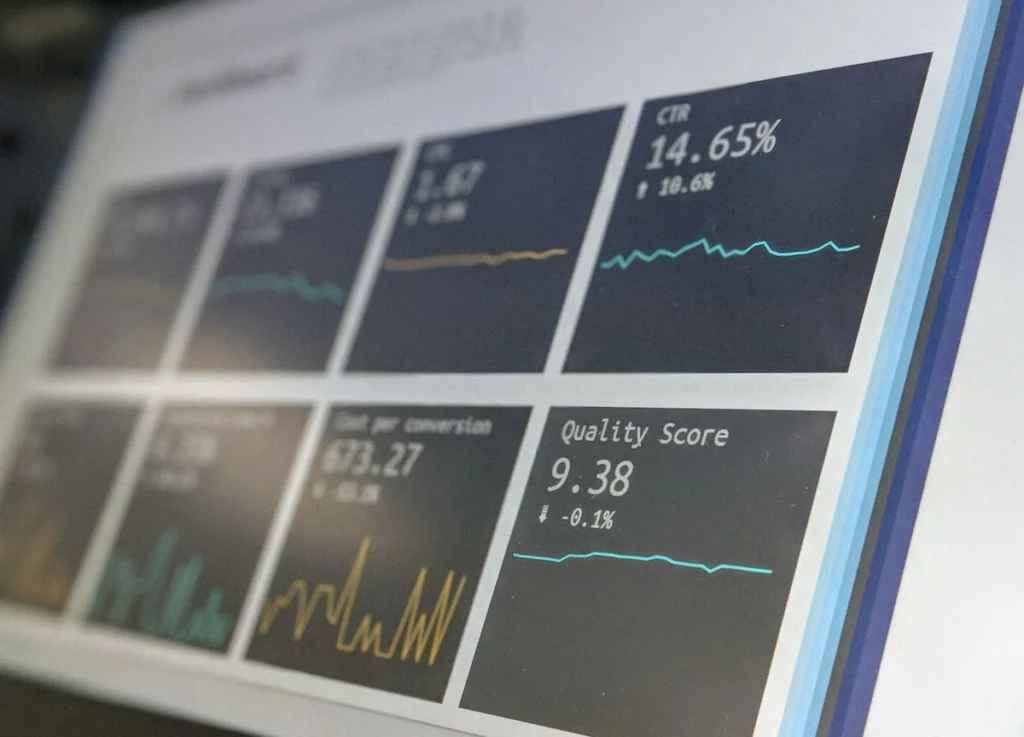
    Benefits of Intelligent Process Automation with Webizona

    How we deliver intelligent process automation

    Step 1

    Identify the processes worth automating

    We rank candidate processes by volume, document complexity and error rate, so the first automation proves value instead of burning credibility.

    Step 2

    Model the decisions and extraction rules

    We study how your team actually resolves cases and what the documents really look like, then build the extraction and decision logic around that.

    Step 3

    Build with confidence thresholds

    Every automated decision carries a confidence score; anything below the threshold goes to a person with the context already prepared.

    Step 4

    Deploy, measure and widen scope

    We launch conservatively, track accuracy against real outcomes, and expand what the automation handles as it earns trust.

    THE WEBIZONA DIFFERENCE

    Why choose Webizona as your Intelligent Process Automation company?

    Built for unstructured input, not just clean data

    Most automation platforms assume data arrives in a consistent, structured format and struggle the moment it doesn't. We design extraction and processing around the reality that documents vary, formats change and correspondence is written in free text, so the automation keeps working when a vendor changes their invoice template rather than requiring a manual fix every time something looks slightly different.

    Decisions modelled on how your team judges cases, not generic rules

    A generic decision rule applied to your process will get the easy cases right and the ones that matter wrong. We model decisions from your team's actual judgment on historical cases and documented criteria, so the automation reflects how your organisation actually evaluates a case rather than a simplified rule that ignores the nuance an experienced person applies without thinking about it.

    Confidence thresholds, not blind automation

    Automation that always produces an answer, even when it shouldn't be confident, fails silently in the cases that matter most. We build explicit confidence scoring into every automated decision and route uncertain cases to a person rather than letting the system guess, so the automation earns trust by being right when it acts and honest when it isn't sure.

    What's happening in Intelligent Process Automation

    0 %
    of business processes still involve unstructured documents that traditional workflow automation cannot process without a person first, this document-handling gap is where most automation programmes currently stall
    0 x
    increase in automation coverage when document understanding and decision modelling are added to existing workflow automation, extending automation from clean structured data into documents, correspondence and case files
    0 %
    of process exceptions can be resolved without human review once a system has enough historical decision data to model the judgment call an experienced operator would make, everything beyond that still needs a person
    0 %
    reduction in manual review time on document-heavy processes once decision modelling takes over the routine judgment calls, freeing the team to focus only on the exceptions that genuinely need their judgment

    Common Questions

    Workflow automation connects systems and triggers actions based on structured, predictable conditions. Intelligent process automation adds document understanding, natural language processing and decision modelling on top, so it can handle unstructured inputs and judgment calls that plain workflow automation cannot process without a human first. Most mature automation programmes use both together.

    We've automated processing for invoices, contracts, claims forms, correspondence, applications and scanned paperwork with inconsistent formatting. The extraction approach depends on document structure and volume: template-based extraction for consistent formats, layout-aware models for variable documents arriving from different sources.

    Every automated decision carries a confidence score. Cases below the threshold we set with you are routed to a person with the extracted data and context already prepared, so the review is faster even when the case is not fully automated. The threshold starts deliberately conservative at launch and relaxes as the model proves itself on your actual data.

    Historical decision data improves the model but is not a prerequisite. We can launch with rule-based logic informed by your team's documented process, start capturing decisions as the automation runs, and retrain the decision model once enough real cases have accumulated to model the judgment involved reliably.

    We validate the decision model against a held-out set of historical cases with known outcomes before deployment, set conservative confidence thresholds so uncertain cases go to a person rather than being guessed, and monitor decisions in production so drift in outcomes is caught early rather than discovered downstream.

    A first automation typically goes live in two to six weeks; a programme covering several workflows runs three to six months. We sequence by hours saved so the first release pays for the next.

    How we work together

    1. Fixed-scope project

      A defined outcome, fixed price and timeline, with weekly demos. The usual starting point for a first intelligent process automation engagement with a clear deliverable.

    2. Dedicated team (monthly)

      A named squad working inside your tools and rituals, scaled up or down each month. Best when intelligent process automation is an ongoing programme rather than a one-off.

    3. Advisory and fractional leadership

      Senior review, roadmap and vendor oversight without a full build. Best when you already have a team and need direction on intelligent process automation.

    Not sure which fits? Tell us about the project →

    Latest thinking on Intelligent Process Automation

    Talk to us about intelligent process automation

    Tell us what you are trying to achieve and where things stand today. We reply within one business day with a straight answer on fit, approach and a realistic next step, no sales script.