

A Shipment Is Not Late Because the Truck Was Slow
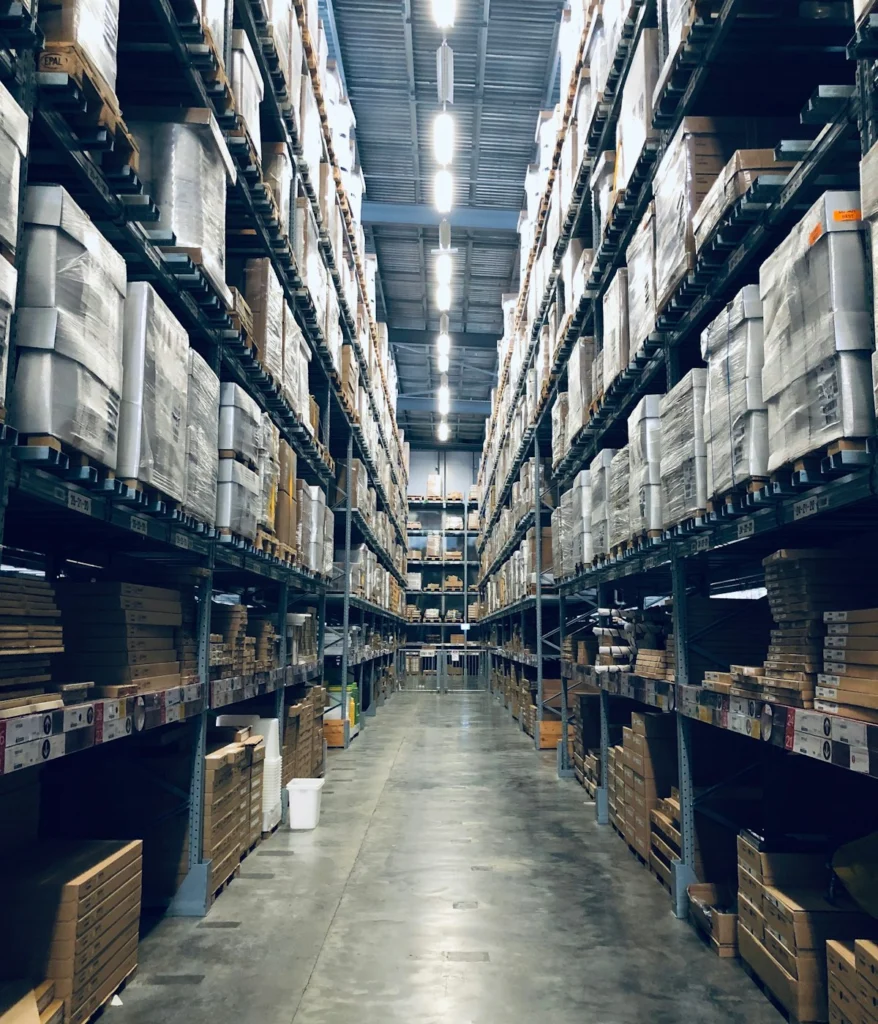
When a logistics operator asks us to look at late shipments, the trucks are rarely the problem. The transport management system knows one thing, the warehouse system another, the carrier portal a third, and customer service is working from an email thread. The shipment is “late” the moment someone outside the company asks a question none of the systems can answer together.
Visibility is an integration problem
Real-time visibility is sold as a dashboard, but the dashboard is the last ten percent. The work is in the events underneath: a scan, a departure, a carrier status change, an exception, each arriving from a different system in a different format, and each needing to update one shipment record that everyone reads. Without that record, a dashboard just displays the disagreement faster.
What operators get once the record exists
Dispatch decisions made on current positions rather than last night’s export. Customer notifications triggered by events instead of by someone checking. Exceptions routed to a person before the customer notices, with the context already attached. And a clean history that makes carrier performance conversations factual.
Start with one lane
Pick the lane with the most customer escalations, map every system that touches a shipment on it, and build the unified record for that lane first. It proves the approach in weeks and gives the rest of the network a template rather than a theory.
Working on something similar? Talk to the team →