

Real Estate
Cutting Vacancy Time With Portfolio-Wide Analytics
A UK real estate group managing 200+ residential units across three cities had no unified view of portfolio performance. We built the analytics layer that cut their average vacancy duration by 38%.
Client
Multi-Property Investor (Confidential)
Industry
Real Estate
Services
Data Engineering, Analytics Platform, SaaS
Location
United Kingdom
The Challenge
The client managed a mix of residential properties across three cities through two separate property management platforms — neither of which talked to the other. Vacancy data lived in spreadsheets. Decisions about pricing, marketing spend, and refurbishment priority were made on gut feel and lagging monthly reports, by which point the profitable window had often already closed. Every week a unit sat empty cost real money, and no one could see the pattern across the whole portfolio.
What they needed wasn’t just reporting — it was foresight. The ability to see which properties were trending toward vacancy before the tenant gave notice, which lease renewal windows were approaching, and where refurbishment spend would generate the fastest return to market. That required unifying messy, siloed data into a single model — and building decision-support tools on top of it.

The Solution
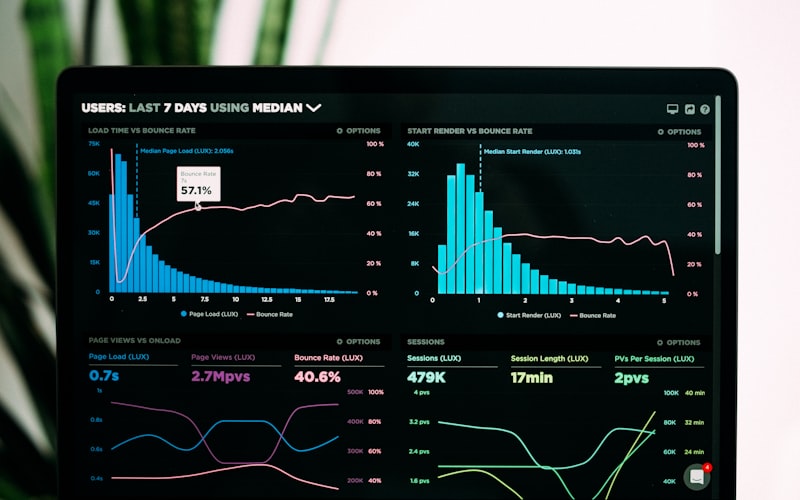
A unified portfolio analytics platform that aggregated live data from both property management systems, applied predictive occupancy modelling, and surfaced proactive alerts — so the team could act on what was about to happen, not what already had.
Portfolio Intelligence Dashboard
Built a single-pane dashboard pulling live data from two separate property management platforms via API, normalising unit status, lease dates, pricing, and maintenance history into a unified data model the whole team could act on.
Vacancy Prediction Engine
Trained a machine learning model on three years of portfolio history to forecast vacancy probability 60 days in advance — flagging at-risk units so the team could begin pre-marketing and outreach before the lease technically expired.
Automated Lease Renewal Alerts
Configured a proactive notification system triggered by approaching lease-end dates, tenant satisfaction signals, and local rental market movement — replacing the weekly spreadsheet chase with structured, timely actions for the property management team.


Reduction in average vacancy duration across the portfolio
Residential units brought under a single analytics view
Advance notice window for predicted vacancies
Saved per week on manual reporting and spreadsheet reconciliation
Tenant retention rate in the 12 months post-launch